Follow Me on Medium!
You’ve stumbled your way into this dusty, decrepit back alley of the internets, and you’re intrigued by the author of these posts. The author is …


You’ve stumbled your way into this dusty, decrepit back alley of the internets, and you’re intrigued by the author of these posts. The author is …
For anyone who has somehow stumbled onto this site, moved to tears by the amazing content, and asking has “he written anything more recently?” The answer is …
Last month, I was immersed in learning about the very early days of space travel. Even before there were actual rockets, sci fi writers like Verne inspired …
If you’ve found your way to TvB, may the gods bless and sustain you! I’m not blogging here (much) these days, but if you’re curious about …
A brief note for the few remaining visitors to this joint: I’m mostly hanging out these days at Medium. Having been given a very unceremonious bon …
This is important. The Intercept has done some very good investigative reporting showing yet another example of Facebook virtually f&@$ing the public in their ear. …
Hey, I’m back. My three loyal readers know that my blog efforts these days are on display at the Varonis Inside Out Security Blog. But …
I just looked again at longer piece I wrote for Medium that was inspired by Dan Lyons’ Disrupted. It’s my own “tech memoir” of my …
But they’re all on my other website. My two or three loyal readers know that I’ve been more focused over at the IOS blog during …
If you want to check out what I’m doing these days, you can change channels and catch me at my other show. I recently spoke …
I was listening to Adrian Ludwig’s talk, titled “Securing 85% of the world’s smartphones”, at this year’s O’Reilly Security Conference in New York when I realized …
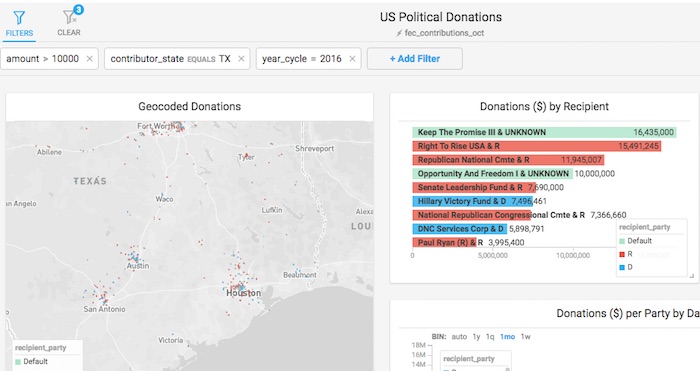
I received an email from my friends at MapD. They’re the Harvard-MIT spawned “data exploration” company. That’s a poetic way of saying they do speedy …
For the purposes of this blog post, let’s say there are two kinds of parents in the world. One kind would tell their kids to …
One of the high points of my summer was talking to Kaiser Fung, data snake charmer and best selling author of Numbersense. You can listen …
In case you need some silicon assistance in curbing your spending, the iBag2 is probably just what your IT person would recommend. iBag2 comes out …
As has been the case over the last year, more of my work is over at the Inside Out Security blog. I just finished up …
Last month, I had a great time chatting with UK-based penetration tester Ken Munro. We’ve all been hearing about the Internet of Things, but very …
For those who want a more adult scooter experience, Cycleboard has this tri-wheel contraption that gives you a stable ride. It’s Lithium-ion batteries let the …
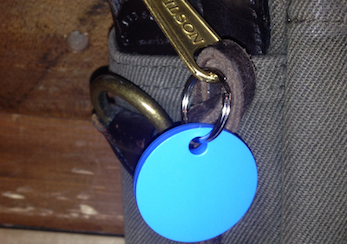
Are we entering the golden age of finding lost keys, wallets, purses, favorite coffee mugs, iPhones, and perhaps ultimately socks? Over the last few years, …
Over on my other channel, I posted two-part podcast of my interview with attorney Bennett Borden. Bennett is not just another lawyer. He’s had a stint working …